
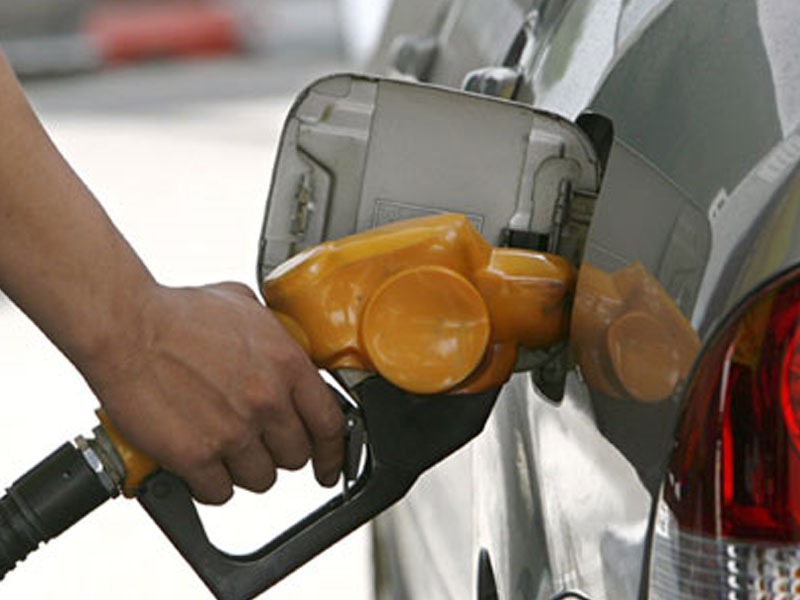
Using petrol with a lower octane rating than that recommended by the manufacturer...
- A)Reduces performance and increases long-term costs.✓ Correct answer
- B)Is a highly recommended measure.
- C)Is recommended when driving in the city
Why this is the correct answer
The term "octane rating" (also called "octane number") is the number you see at the petrol pump (e.g. 95 or 98). It measures how resistant the fuel is to premature detonation (exploding too early) inside the engine. A higher number means the fuel can withstand more compression before igniting. When you use petrol with a lower octane rating than recommended by your vehicle manufacturer, the fuel may ignite too early during the compression cycle. This is called "engine knocking" (a metallic rattling sound). It causes: - Reduced engine power and performance. - Higher fuel consumption (the engine works less efficiently). - Gradual damage to internal engine parts such as pistons and valves. Modern engines have electronic systems (ECU) that can detect this and partially compensate by delaying the spark timing, but this still results in less power and worse fuel economy. Over time, the extra wear and increased fuel use lead to higher maintenance and running costs. That is why using cheaper, lower-octane fuel is a false economy. Always use at least the minimum octane rating specified in your vehicle owner manual. The correct answer is A.
More questions about vehicle mechanics
- as a general guideline, what pressure should you maintain your vehicle’s spare tyre at?
- Are you required to perform any maintenance on the vehicle battery charging circuit?
- Is it allowed to fit tyres with a different speed rating than the one recommended by the manufacturer?
- If your vehicle's brakes become wet, you should be aware that...