
as a general guideline, what pressure should you maintain your vehicle’s spare tyre at?
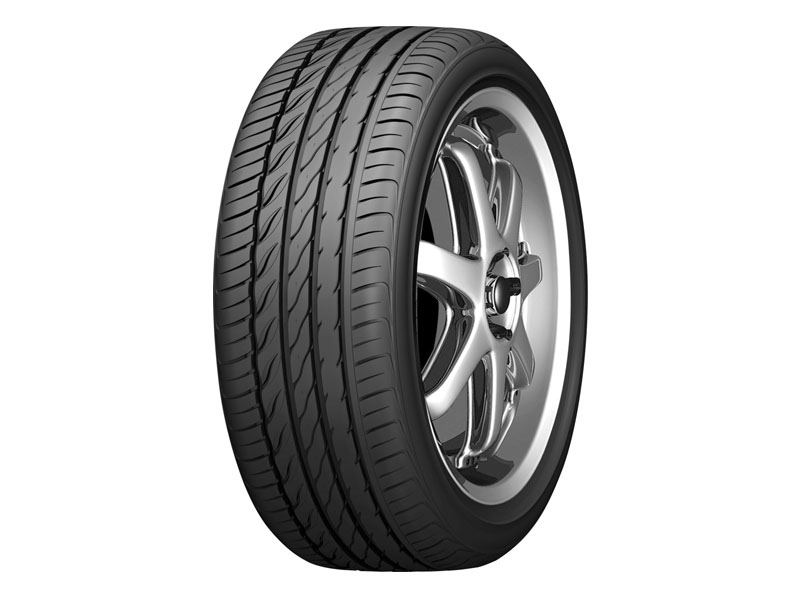
- A)the maximum pressure specified by the manufacturer.✓ Correct answer
- B)at the pressure advised by the manufacturer for the other tyres.
- C)at the minimum pressure specified by the manufacturer.
Why this is the correct answer
The spare tyre must always be kept at the highest (maximum) pressure specified by the manufacturer. But what does "maximum" mean here? The manufacturer typically recommends different pressures depending on the axle (front or rear) and driving conditions (normal load or full load). For example, if the front tyres require 2.2 bar and the rear tyres require 2.0 bar, the spare should be inflated to 2.2 bar — the highest of those values. There are two key reasons for this rule: (1) You never know which tyre you will need to replace or under what conditions (full load, high speed, bad weather), so keeping the spare at the highest recommended pressure prepares it for the most demanding scenario. If needed, you can always release a small amount of air to match the specific wheel position. (2) Tyres naturally lose pressure over time — even when sitting unused in the boot. By starting at the highest pressure, the spare remains at a safe, usable level when you actually need it. Important: this does NOT mean inflating the spare above the manufacturer's specifications. It means choosing the highest value within the range the manufacturer recommends.
More questions about vehicle mechanics
- Using petrol with a lower octane rating than that recommended by the manufacturer...
- Are you required to perform any maintenance on the vehicle battery charging circuit?
- Is it allowed to fit tyres with a different speed rating than the one recommended by the manufacturer?
- If your vehicle's brakes become wet, you should be aware that...