
Must you yield to a fire service vehicle that is using only its special flashing light (without the siren)?
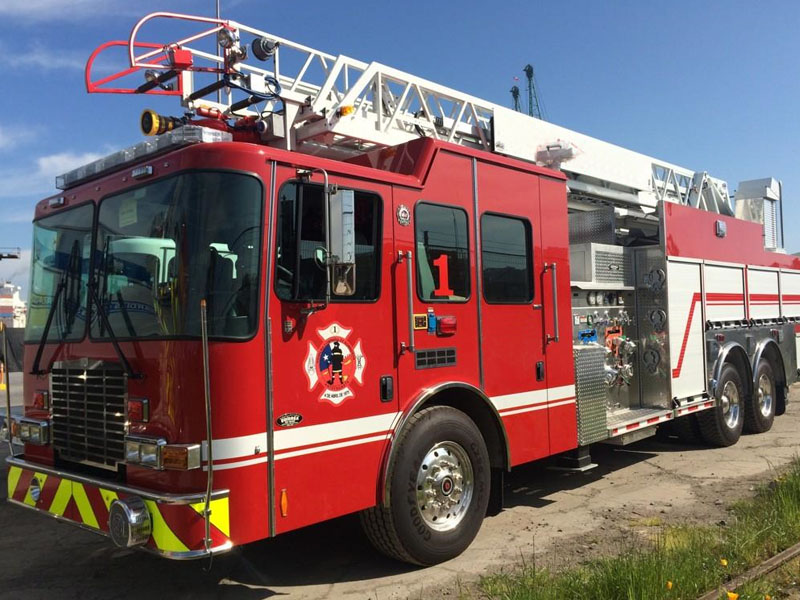
- A)Yes, because using the special light means it is on emergency duty, even without the siren.✓ Correct answer
- B)Yes, because it is always a priority vehicle, regardless of whether it activates any signals.
- C)No, because without the siren it is not considered to be on emergency duty.
Why this is the correct answer
When a priority vehicle (fire service, police, ambulance) activates its special flashing blue light (V-1 signal), it is considered to be on emergency duty, even if the siren is not in use. The siren is an additional acoustic warning that must be used together with the light as a general rule, but there is an exception: when not using the siren poses no danger to other road users, the driver of the priority vehicle may use the light alone. This does NOT mean the vehicle has lost its priority status — it is still on emergency duty and you must yield to it. Therefore, option A is correct: the flashing light alone is enough to indicate emergency status. Option B is wrong because priority vehicles only have priority when they are on emergency duty (with signals activated), not at all times. Option C is wrong because the absence of the siren does not cancel the vehicle's emergency status; the special light by itself is sufficient.
More questions about accidents & emergency
- Due to the risk compensation phenomenon, how might a driver behave?
- To recall the basic steps to follow in an accident, the P.A.S. rule is used. What does this acronym represent?
- If a driver is ejected from a vehicle during an accident, what term describes the mechanism of injury associated with the impact against the ground?
- In a head-on collision, under what circumstances is a driver most likely to sustain a traumatic brain injury when their head strikes the windscreen?