
On a very steep and narrow road where two vehicles cannot pass, which vehicle should give way?
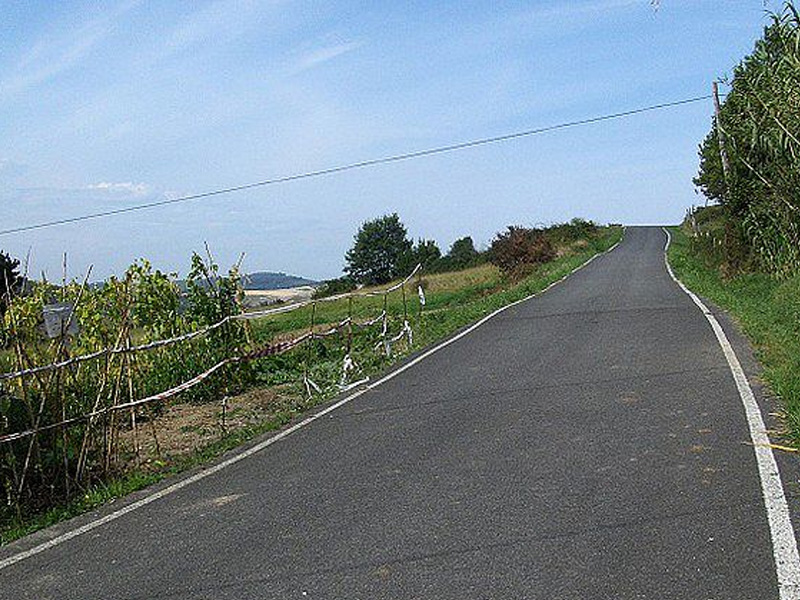
- A)The vehicle going uphill.
- B)The lighter vehicle.
- C)The vehicle that will reach a wider stretch sooner.✓ Correct answer
Why this is the correct answer
On a very steep and narrow road (with a gradient of 7% or more) where two vehicles travelling in opposite directions cannot pass each other, Spanish traffic rules establish a clear hierarchy: 1. GENERAL RULE: The vehicle going UPHILL has priority. This means the vehicle going DOWNHILL must give way. The reason is that stopping and restarting on a steep uphill slope is more difficult and dangerous. 2. EXCEPTION: If the vehicle going uphill can reach a passing place (apartadero) or wider section of road sooner, then it must pull aside there and let the downhill vehicle pass instead. So the key criterion is: whichever vehicle — uphill or downhill — can reach a wider stretch first is the one that should give way by pulling over. Why answer A is wrong: It says "the vehicle going uphill" should give way. This is incorrect because, as a general rule, the uphill vehicle has PRIORITY (it does NOT give way). Only in the exception — when the uphill vehicle is closer to a passing place — does it yield. Why answer B is wrong: Vehicle weight is not the criterion used in steep gradient situations. Why answer C is correct: It correctly describes the practical rule — the vehicle that can reach a wider section sooner should pull aside, regardless of direction. This covers both the general rule and the exception. Note: If there is doubt about the steepness of the slope or the distance to a passing place, the standard narrow-road priority rules apply (based on vehicle type and manoeuvrability).